Elevated Work Platforms Vs Cranes For Lifting & Access Work
On many worksites, the challenge is not just getting something lifted but deciding how best to access it safely and efficiently. Maintenance tasks, façade work and installation projects often sit in a grey area where multiple access solutions seem possible. This is where understanding the practical differences between elevated work platforms and cranes becomes essential. For projects involving Crane Hire on the Sunshine Coast, the decision is rarely about which machine is bigger but which is better suited to the task at hand. By weighing access needs, safety requirements and time constraints, property owners and contractors can choose equipment that supports smooth progress rather than unnecessary complexity.
Understanding The Purpose of Each Access Solution
Before comparing equipment, it helps to understand what each option is designed to do. Elevated work platforms, including boom lifts and scissor lifts, are built primarily for safe access at height. Cranes are designed for lifting and positioning loads.
While both can operate above ground level, their roles differ significantly. Using the right tool aligns with efficient planning and responsible site management.
Key functional differences include:
- EWPs provide stable platforms for people
- Cranes lift & place materials or equipment
- EWPs support continuous access
- Cranes focus on controlled lifting movements
Crane hire on the Sunshine Coast often complements EWPs rather than replaces them, especially on sites with varied access and lifting needs.
When Elevated Work Platforms Are More Efficient
Elevated work platforms are often the preferred choice for tasks requiring ongoing access rather than one-off lifts. Maintenance contractors frequently rely on EWPs for their flexibility and ease of repositioning.
For work that involves tools, materials and repeated movement along a façade, an EWP can reduce downtime and setup changes.
Common scenarios where EWPs excel include:
- Window cleaning & façade maintenance
- External painting & repairs
- Signage installation
- Building inspections
In these cases, hiring cranes for lifting would introduce unnecessary complexity. Crane hire on the Sunshine Coast is better reserved for tasks that involve significant weight or placement rather than sustained access.
Situations Where Cranes Are the Better Choice
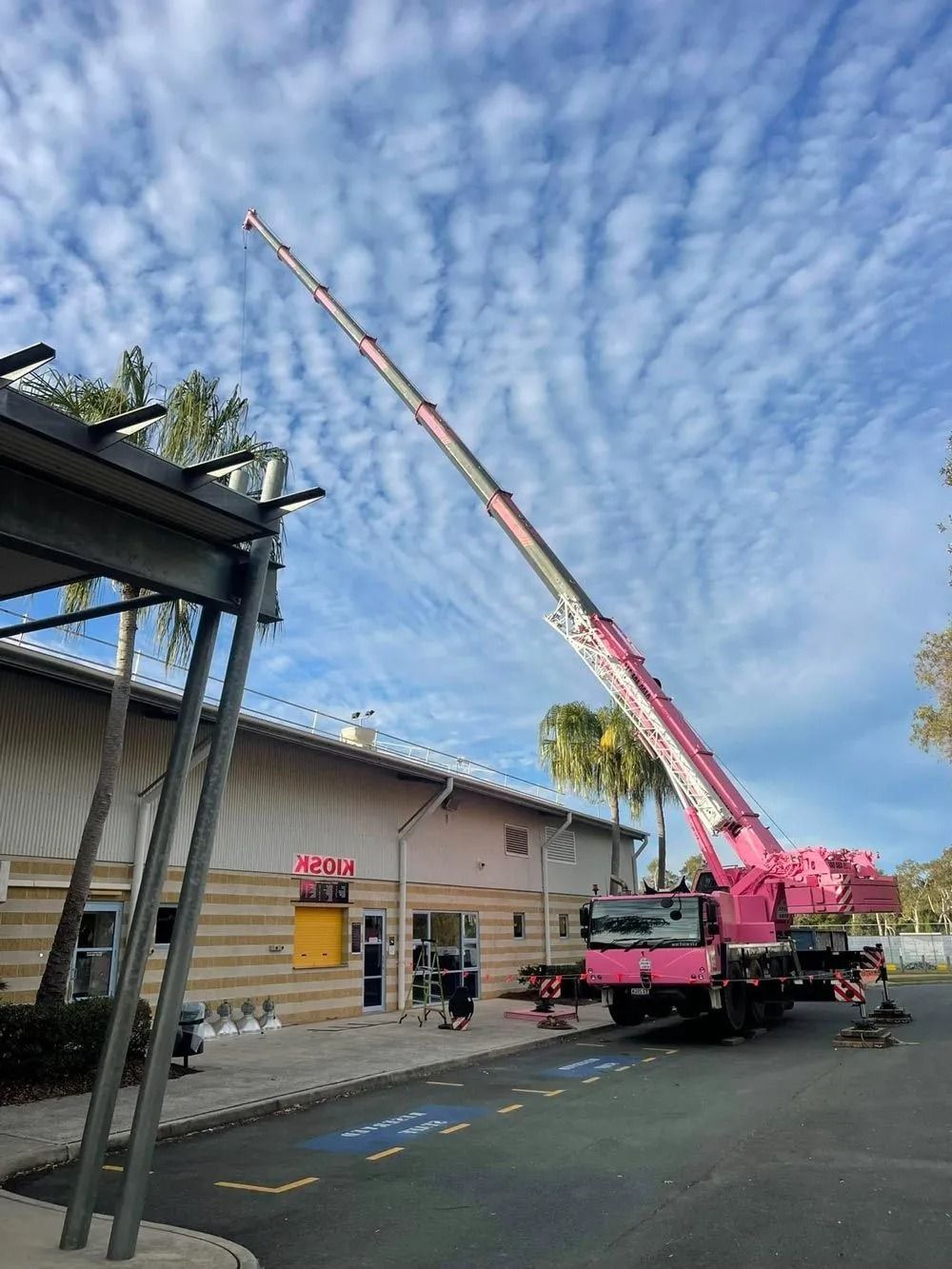
Cranes come into their own when lifting capacity and reach are the priority. Heavy equipment, structural components and large materials often exceed the safe working limits of EWPs.
For installation work where precision placement is required, cranes provide controlled movement that access platforms cannot achieve.
Typical crane-focused applications include:
- Lifting mechanical plant to roof levels
- Positioning structural steel
- Installing large glazing panels
- Handling oversized construction materials
In these scenarios, hiring cranes for lifting offers stability and strength that access equipment is not designed to provide.
Cost & Time Trade-Offs on Active Sites
Cost efficiency is not only about hire rates but also about time on site. Choosing the wrong equipment can extend project timelines and increase labour costs.
EWPs generally require less setup time and can be repositioned quickly, making them ideal for repetitive access tasks. Cranes often involve more planning, including lift plans and exclusion zones, but can complete heavy lifts in a single operation.
Factors influencing cost effectiveness include:
- Duration of access required
- Number of lifts or movements
- Labour involved in setup
- Site access constraints
Sunshine Coast crane hire projects benefit from early assessment to ensure equipment selection aligns with both budget and schedule.
Safety Considerations for Access & Lifting
Safety is central to any decision involving work at height. Both EWPs and cranes operate under strict standards, but the risks they manage differ.
EWPs are designed to keep operators secure within guardrails, reducing fall risks during extended tasks. Cranes require careful load control, rigging expertise and clear communication to manage lifting risks.
Safety-related considerations often include:
- Operator training & licensing
- Ground conditions & stability
- Proximity to structures or services
- Weather exposure during operation
Using cranes for lifting when access is the primary requirement can introduce unnecessary risk, just as using an EWP beyond its capacity can compromise safety.
Access Limitations & Site Constraints
Physical site conditions play a major role in determining whether an EWP or crane is more suitable. Restricted access, uneven ground or overhead obstructions can limit equipment options.
EWPs often work well in confined spaces where cranes may struggle to set up. Conversely, cranes can reach over obstacles that block direct access for platforms.
Site-specific factors to assess include:
- Available ground space
- Overhead clearance
- Load-bearing capacity of surfaces
- Movement paths around the site
Crane hire on the Sunshine Coast frequently involves adapting to varied site conditions, making professional advice valuable during planning.
Combining EWPs & Cranes on the Same Project
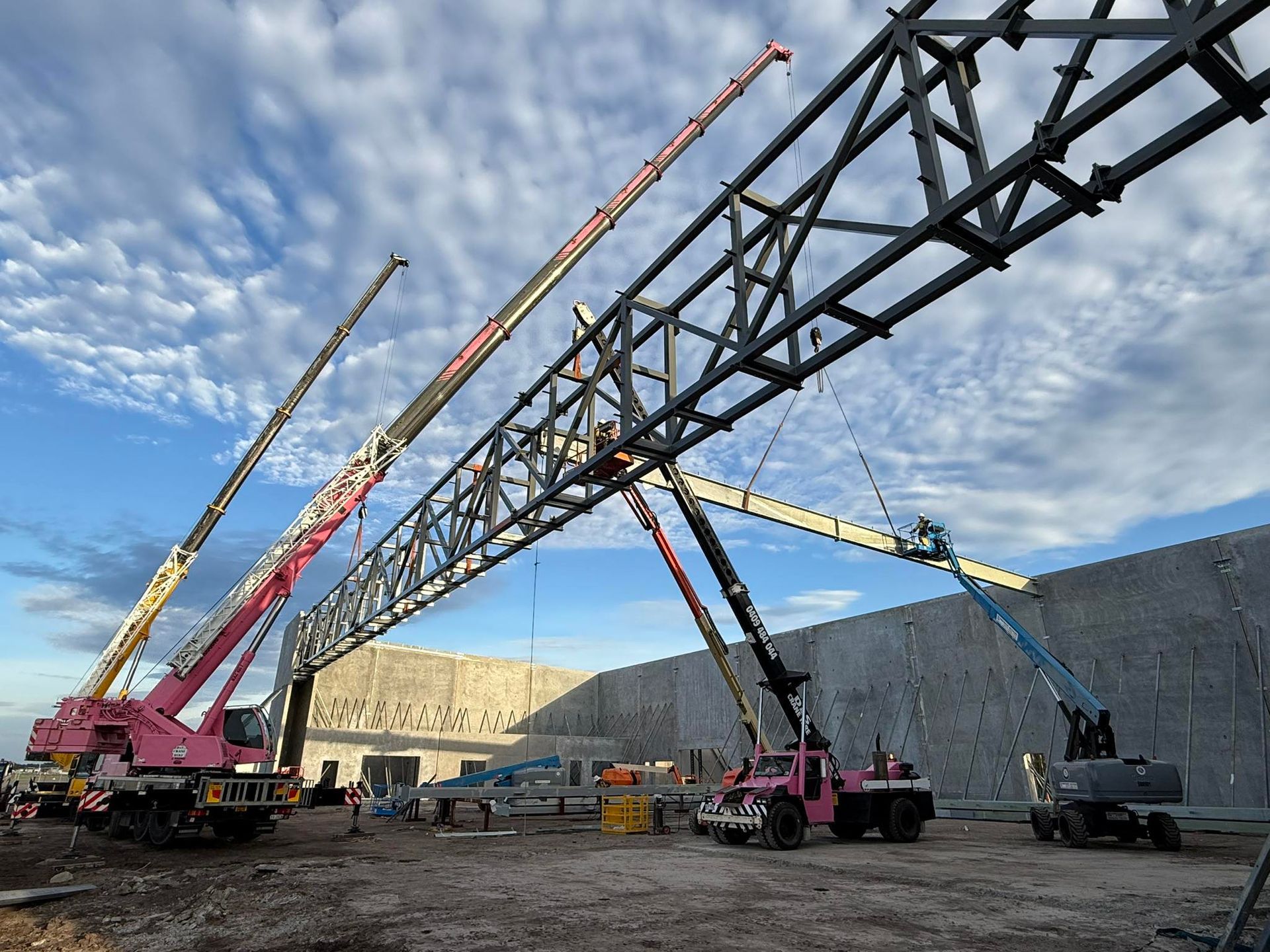
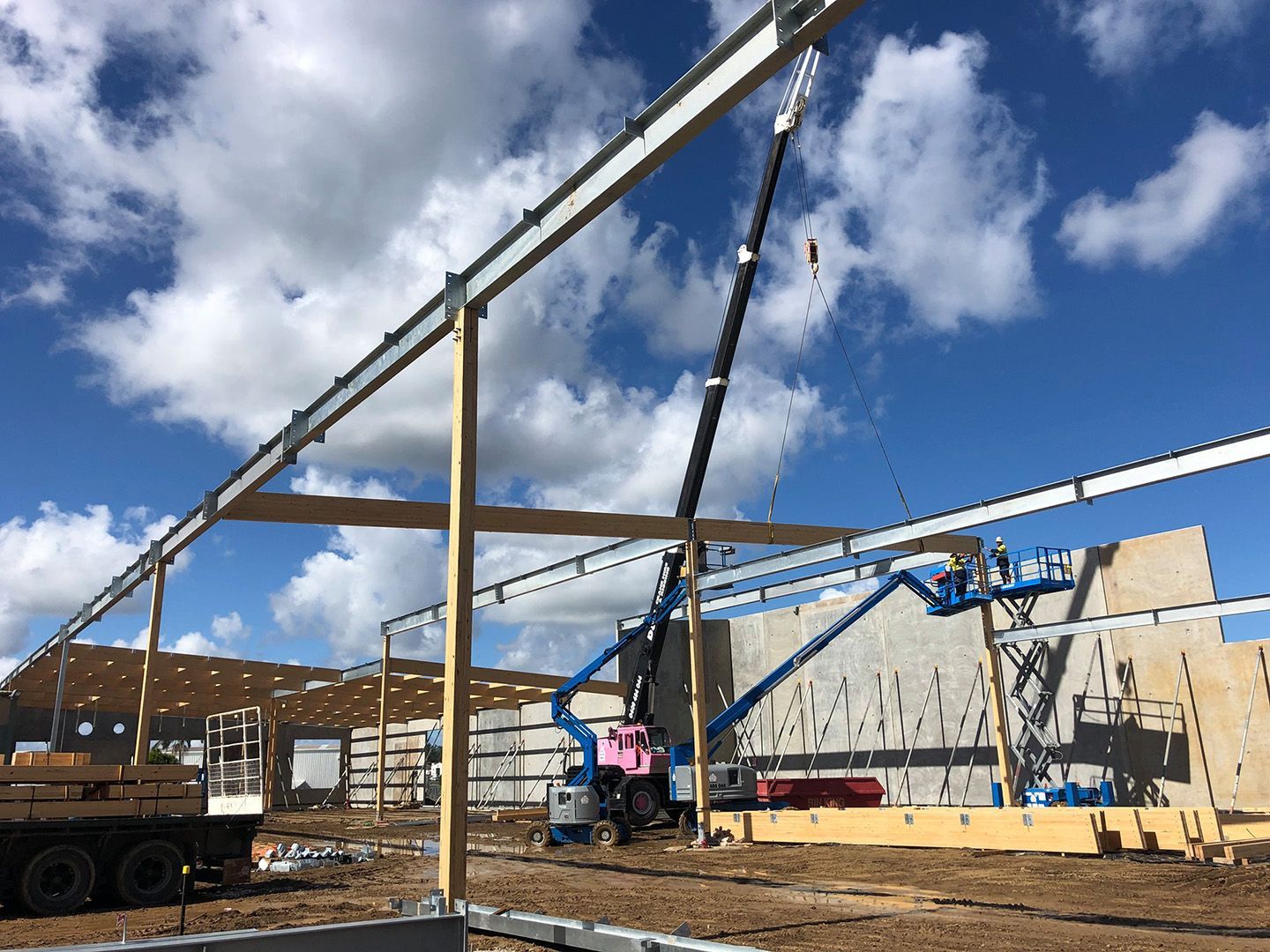
Many projects benefit from using both access solutions at different stages. A crane may handle initial lifting, while EWPs support follow-up access and finishing work.
This combined approach can streamline workflows and reduce equipment downtime when planned correctly.
Examples of combined use include:
- Crane lifting equipment into position
- EWP access for final installation
- Ongoing maintenance via platforms
- Reduced crane hire duration
Crane Hire Sunshine Coast services that include access to both cranes and EWPs allow for flexible, project-specific solutions.
Choosing The Right Equipment With Expert Guidance
Selecting between EWPs and cranes is rarely a simple decision. It requires understanding task requirements, safety obligations and site conditions in detail.
Experienced providers assess these factors early, helping clients avoid mismatched equipment and unexpected delays.
Professional guidance typically covers:
- Task & load assessment
- Access versus lifting requirements
- Safety planning & compliance
- Efficient equipment scheduling
With informed advice, cranes for lifting and EWPs for access can be used to their full potential without compromise.
Making The Right Choice For Your Project
We at D & S Crane Hire understand that effective project outcomes depend on choosing the right equipment for each task. Our experience with Crane Hire Sunshine Coast projects includes both elevated work platforms and cranes, allowing us to guide facility managers, contractors and property owners toward practical, safe solutions. If you are planning access or lifting work and want clarity on the most efficient option for your site, contact us to discuss your requirements and ensure your project is supported by the right equipment from the outset.