Common Challenges In Steel Erection Projects & How Rigging Experts Solve Them
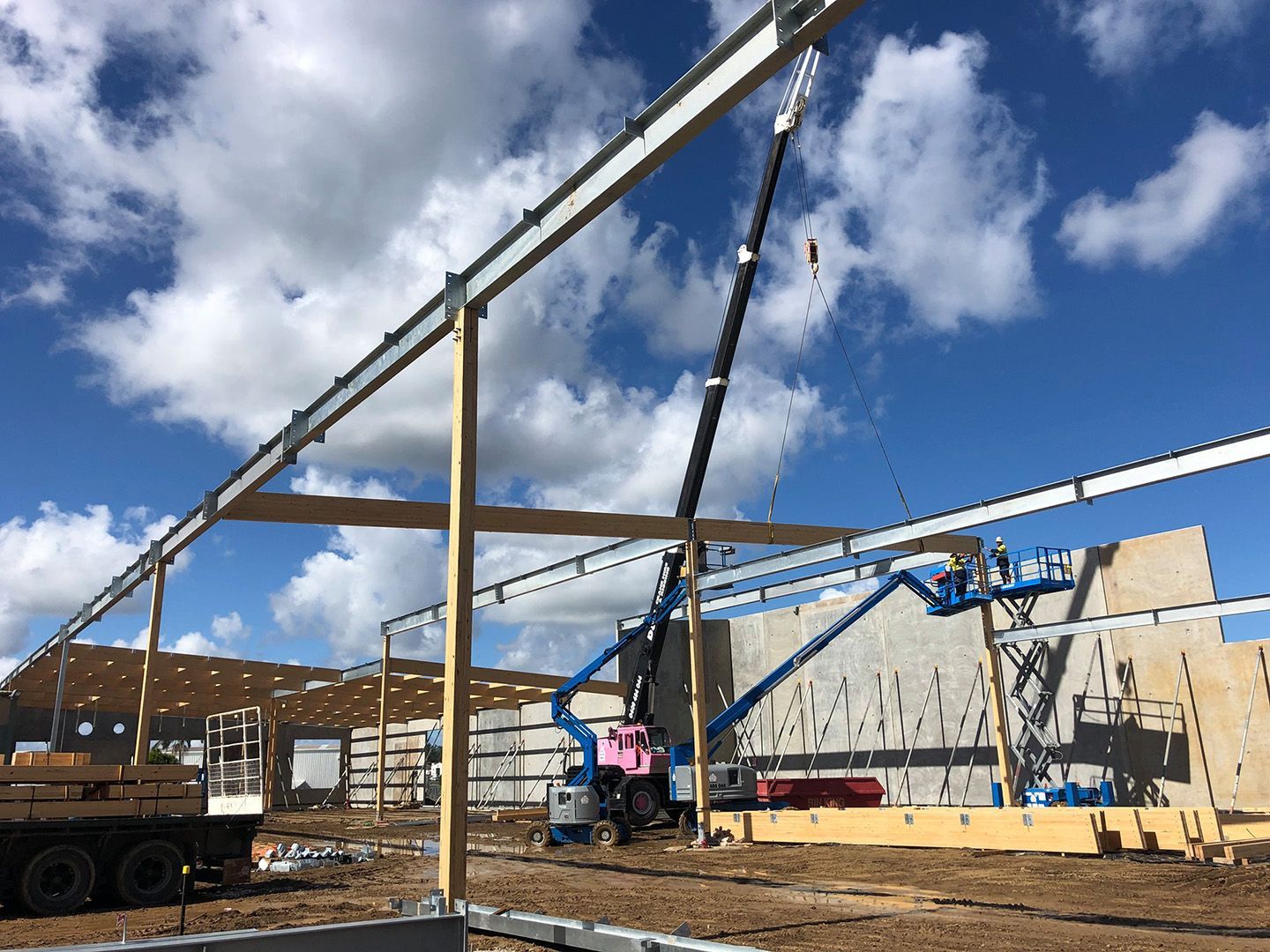
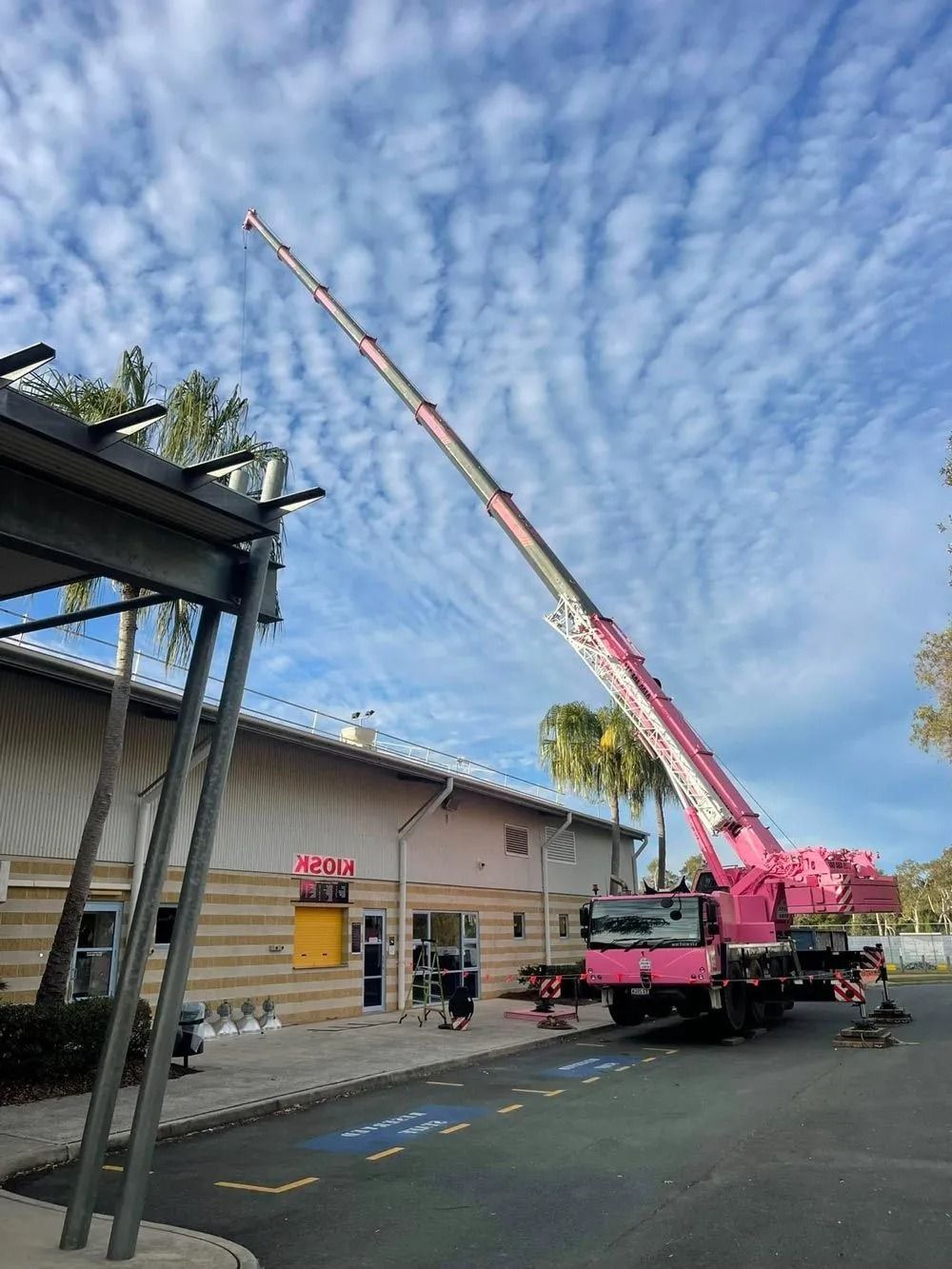
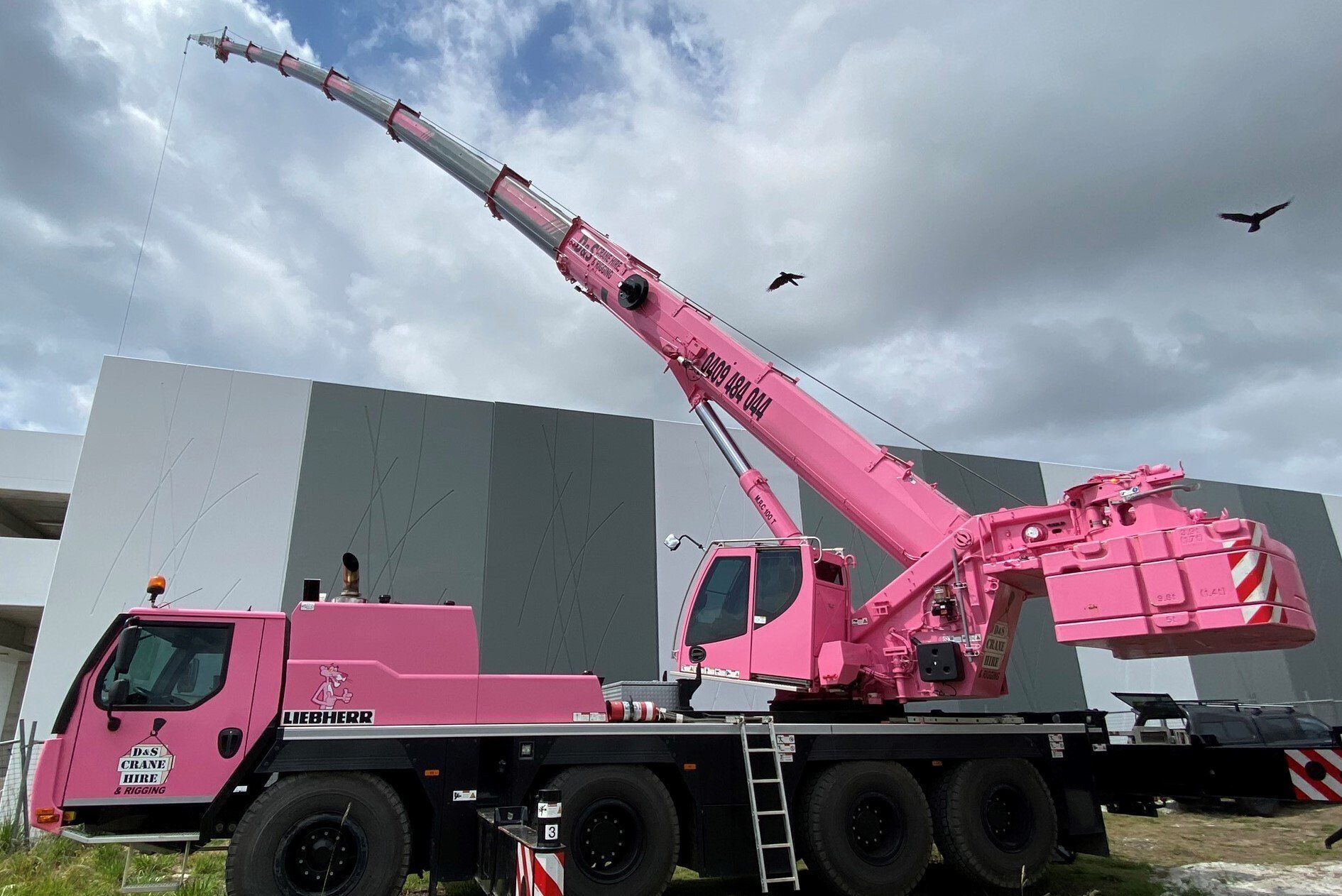
Steel erection requires careful planning, precise lifting and strong coordination between riggers, crane operators and site crews. For construction teams requiring steel erection rigging on the Sunshine Coast, experienced riggers help manage difficult access, heavy structural components, changing weather and safety risks while keeping the project moving efficiently.
Here are some of the most common steel erection challenges and how professional rigging teams address them.
Difficult Access & Restricted Work Areas
Steel erection sites do not always provide ideal access for cranes, delivery vehicles and lifting crews. Existing buildings, other trades, limited laydown areas and tight site boundaries can restrict where a crane can operate and how steel can be moved.
Experienced riggers assess these constraints before lifting begins. They consider crane positioning, delivery locations, load paths, overhead obstacles and the space available for handling each structural component.
Early planning is particularly important on restricted sites. Identifying access issues before the steel arrives can prevent unnecessary handling, delays and changes to the lifting sequence.
How do riggers prepare for restricted sites? A site assessment can identify:
- Suitable crane setup locations
- Steel delivery & laydown areas
- Potential overhead or surrounding obstructions
- Safe & practical lifting paths
- Interaction with workers, equipment & other trades
- Appropriate rigging arrangements for different components
For companies arranging rigging services on the Sunshine Coast, involving the rigging team early gives them time to identify practical solutions before erection starts.
Coordinating Heavy & Complex Lifts
Structural beams, columns, trusses and fabricated frames can vary considerably in weight, dimensions, balance and lifting requirements. Moving them safely requires more than selecting a crane with enough capacity.
Riggers need to understand how each component will behave once suspended. The lifting points and rigging configuration should provide adequate support while allowing the crew to control the steel as it moves towards its installation position.
Communication between the rigger, crane operator and erection crew is equally important. Everyone involved needs to understand the lift sequence and their role before the load leaves the ground.
How do rigging experts improve lift coordination? According to industry best practice, crews should establish the lifting method, responsibilities and communication procedures before starting the lift.
For example, a long structural beam may need to pass between existing sections before reaching its connection points. Planning its lifting points, orientation and approach path beforehand helps the crane operator and rigging crew complete the movement in a controlled sequence rather than making unnecessary adjustments while the beam is suspended.
Managing Sunshine Coast Weather Conditions
Weather can quickly affect steel erection operations. Wind is particularly important because large structural components can present a significant surface area and become harder to control while suspended.
Rain can also affect working surfaces and general site conditions. Severe or changing weather may require crews to postpone certain lifting operations.
Professional steel erection rigging teams on the Sunshine Coast need to consider current conditions as part of each day's lifting activities rather than allowing construction deadlines to override safe operating requirements.
When should weather affect a steel lift? Site teams should assess conditions against crane operating requirements, site procedures and relevant safety controls. If conditions exceed acceptable operating parameters, lifting may need to stop until conditions improve.
Monitoring forecasts and preparing components in advance can also help teams make better use of suitable lifting windows.
Controlling Safety Risks During Steel Erection
Steel erection brings multiple hazards together within a relatively small work area. Suspended loads, cranes, mobile equipment, workers at height and partially completed structures may all be involved.
Professional rigging helps manage these risks through suitable equipment selection, planned lifting methods, clear communication and controlled work areas.
Conditions also change as construction progresses. A lifting path that was clear earlier in the project may become restricted after additional structural elements, scaffolding or equipment are installed.
What should crews check before a steel lift? The exact requirements vary between projects, but crews should confirm the load and rigging arrangement, inspect relevant equipment, establish communication procedures and ensure workers remain clear of hazardous lifting areas.
They should also confirm that actual site conditions still match the lifting plan. Changes to access, load characteristics, crane positioning or surrounding activities may require the team to reassess the lift before proceeding.
Preventing Delays Between Deliveries, Cranes & Site Crews
Efficient steel erection depends on coordination. Steel must arrive in a suitable sequence, the crane needs access, riggers must be ready and the erection crew needs to secure each component before the next stage can continue.
Poor coordination can leave equipment and workers waiting or create congestion when too much steel arrives at once.
Experienced rigging services providers on the Sunshine Coast can work with site teams to coordinate lifting requirements with the broader erection schedule.
How can rigging planning reduce downtime? Planning the lifting sequence allows crews to position steel so the next required components remain accessible. This reduces unnecessary double handling and avoids repeatedly moving steel simply to reach another item.
Clear communication between delivery crews, riggers, crane operators and erection teams also means everyone knows what is being lifted and where it needs to go.
The goal is not to rush individual lifts. It is to create an organised sequence with fewer avoidable interruptions.
Choosing The Right Rigging Equipment For Structural Steel
Different structural components require different lifting arrangements. A column, long beam and fabricated frame may each have different balance, lifting-point and load-control requirements.
Rigging experts consider factors including the component's weight, dimensions, configuration, lifting points and intended movement. Sling angles and load distribution also need consideration when establishing an appropriate rigging arrangement.
The right setup helps keep structural components predictable and controllable throughout the lift.
Why does load control matter? Unexpected movement or rotation can make positioning structural steel difficult and introduce additional hazards. A suitable rigging arrangement helps maintain control as the component travels from its initial position to its connection point.
This is especially important where steel needs to pass close to completed structures or align accurately with connection points.
Why Professional Steel Erection Rigging Matters
Successful steel erection depends on more than crane capacity. It requires appropriate rigging equipment, careful lift planning, clear communication and crews that understand how structural components behave during lifting.
For construction companies, site supervisors and industrial project managers, involving experienced rigging professionals early can help identify access restrictions, lifting challenges, weather considerations and coordination issues before they cause unnecessary disruption.
The key takeaway is simple: effective steel erection starts with planning each lift around the actual load, site and construction sequence rather than treating rigging as an afterthought.
If your project requires professional
steel erection rigging on the Sunshine Coast,
D & S Crane Hire & Rigging can assist with rigging solutions for structural steel lifting and erection projects.
Contact us to discuss your site requirements and get the lifting support needed for your next project.
Frequently Asked Questions